OUR LEARNING APPROACH
Icon
background pattern

THE MONTESSORI JOURNEY FROM 2 TO 6 YEARS

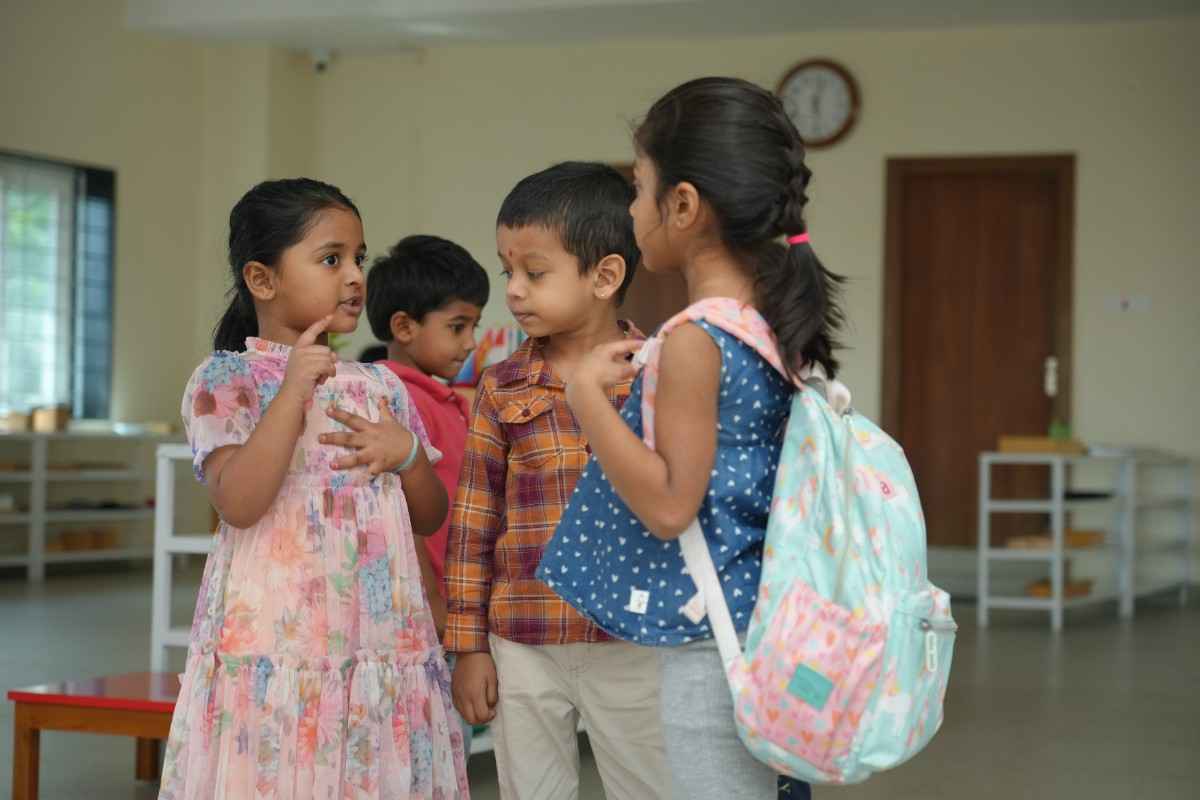
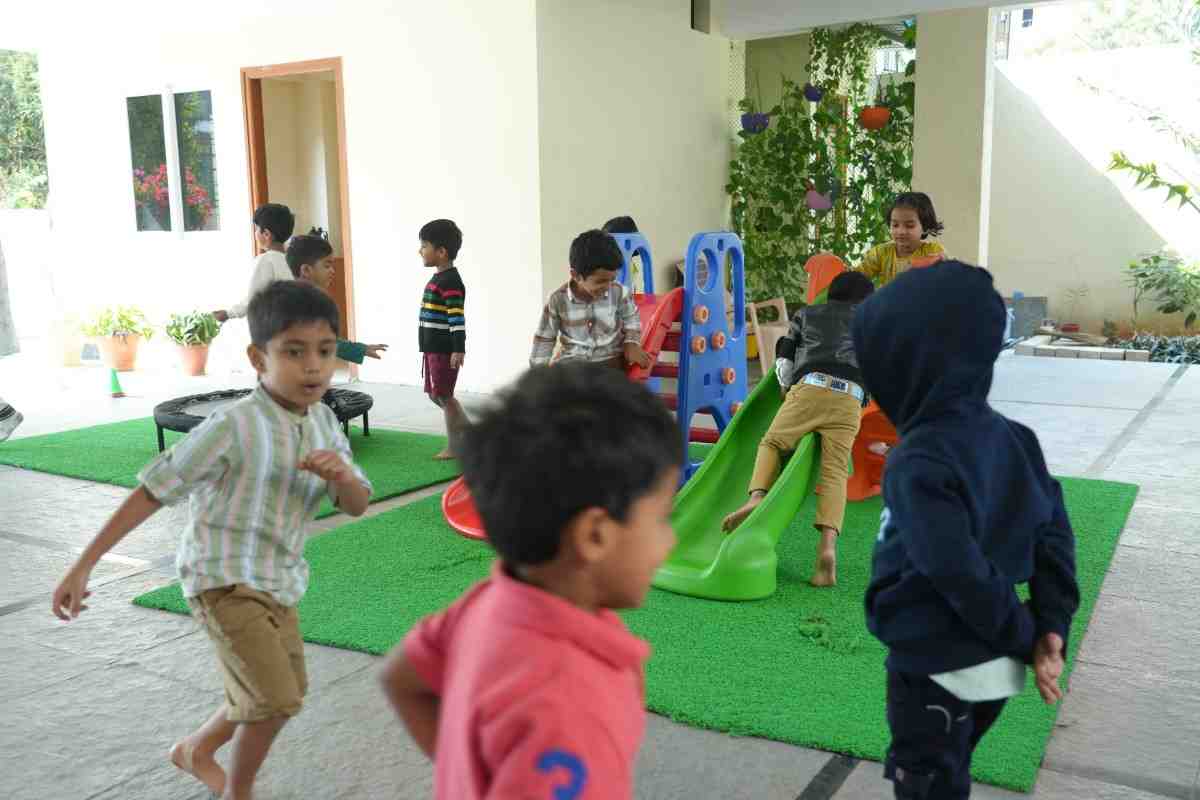
At Yug Montessori, the best playschool in LB Nagar, Hyderabad, we help children move forward by developing their ability to concentrate and make decisions, while nurturing self-control, courtesy, and a sense of community responsibility.

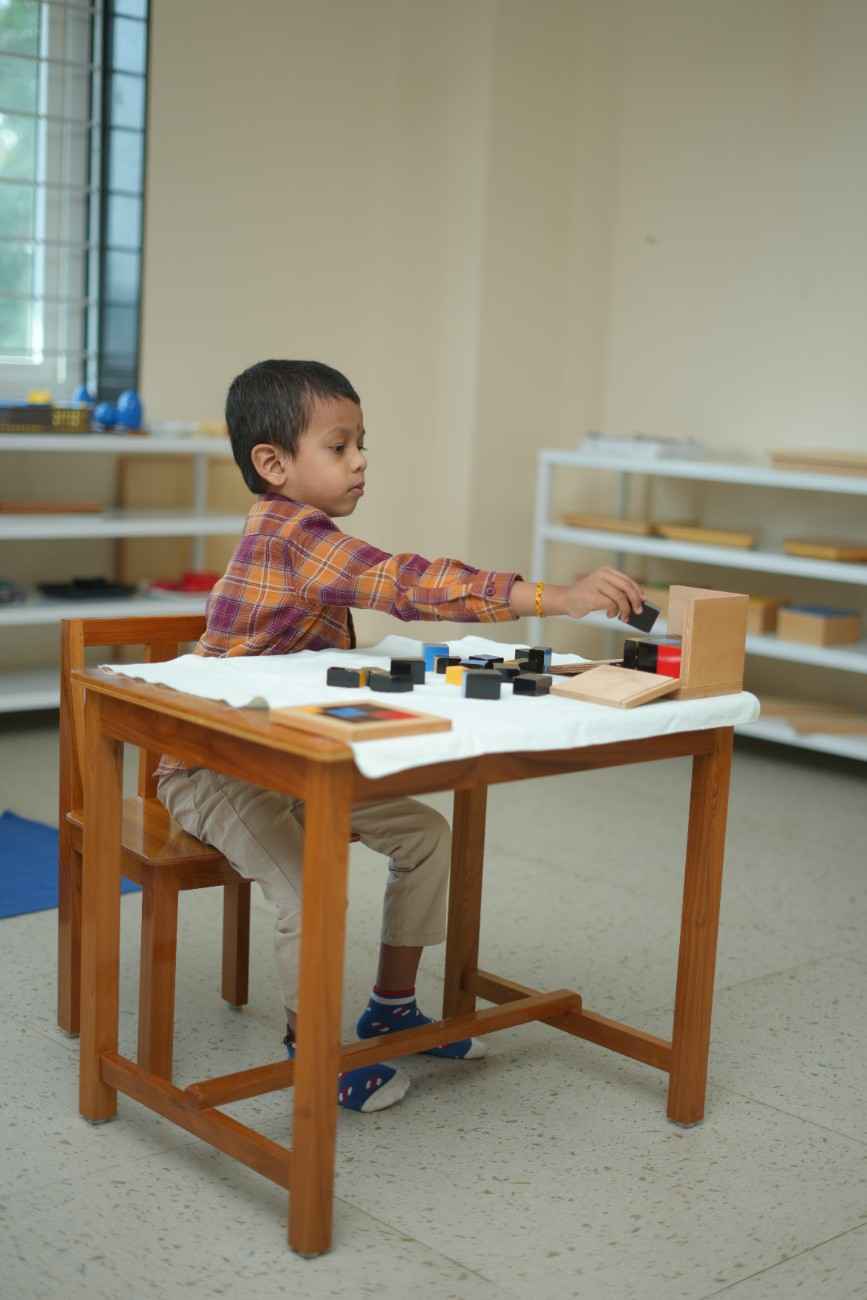
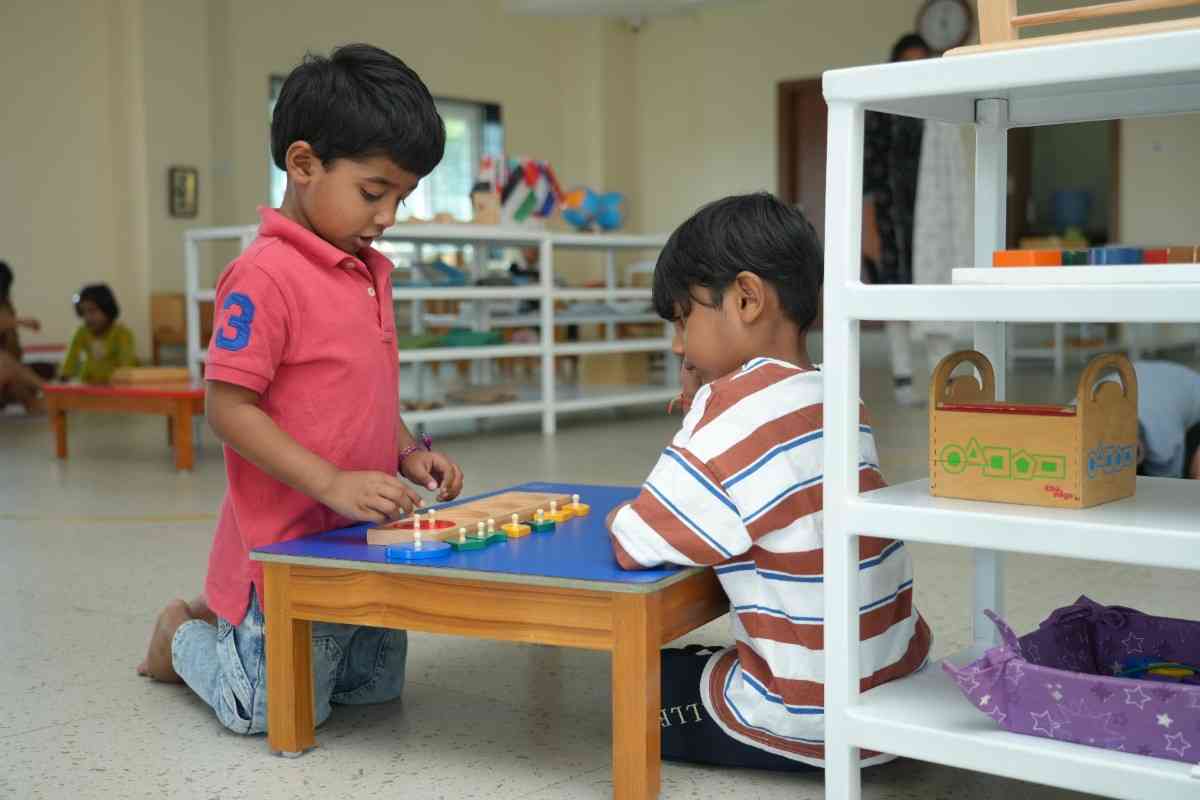
The prepared environment supports children in making purposeful choices in their learning and encourages them to work both individually and in small groups, allowing them to discover, explore the world around them, and develop their full potential.

Practical Life
background pattern

CURRICULUM

The child is introduced to the Montessori curriculum through Practical Life activities involving materials centred on the use of everyday utensils such as scissors, tongs, and tweezers, as well as activities like cleaning, polishing, preparing snacks, laying the table, washing dishes, arranging flowers, gardening, and practising dressing skills including fastening and unfastening clothes. These activities together form the Practical Life curriculum.

The materials are beautiful, inviting, and purposeful. Each activity teaches only one skill at a time, allowing the child to work independently and master the intended concept, which is our primary objective. The materials are self-correcting, enabling the child to recognise errors, repeat the activity, and learn through self-discovery without intervention from the guide.

As children settle into the cycle of work, they engage in self-selected activities, while the guides gradually introduce Sensorial materials. Through this Active Learning approach, children learn by doing, exploring, and experiencing concepts firsthand. This approach takes learning beyond traditional academic subjects and prepares children for later schooling and future success in life. Such Active Learning in early education fosters confidence, independence, and positive developmental outcomes.
Sensorial
background pattern

PRACTICAL LIFE CURRICULUM

According to Montessori education, activities of everyday life form the foundation of a child’s development. The child observes the everyday work carried out in the environment and, through this observation, gradually participates and gains proficiency in completing tasks in a purposeful manner. Many of these activities are cultural in nature and are specific to the child’s time and place.

Participation in Practical Life activities is essential, as it fosters a sense of being and belonging. These experiences help the child understand cultural roots and the essence of being human. They also promote awareness, self-confidence, and independence, preparing the child for more focused learning and continued growth.

Practical Life
background pattern

SENSORIAL CURRICULUM

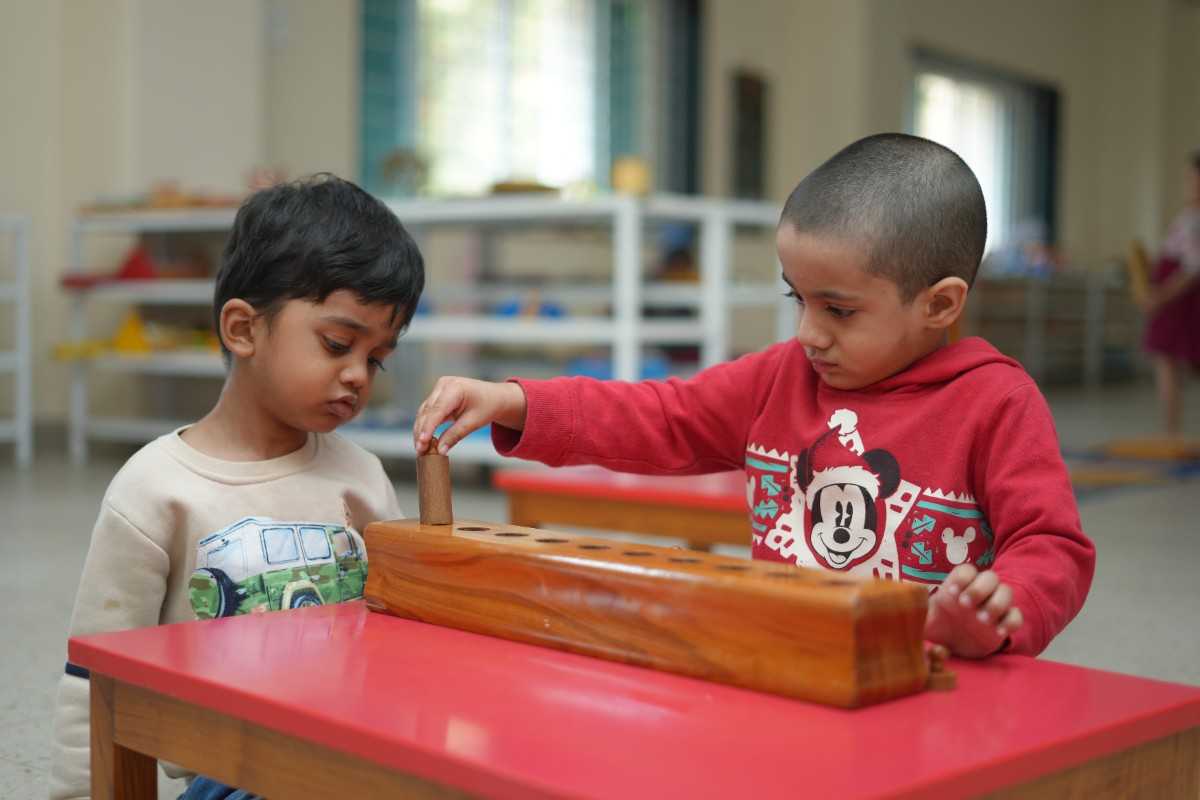
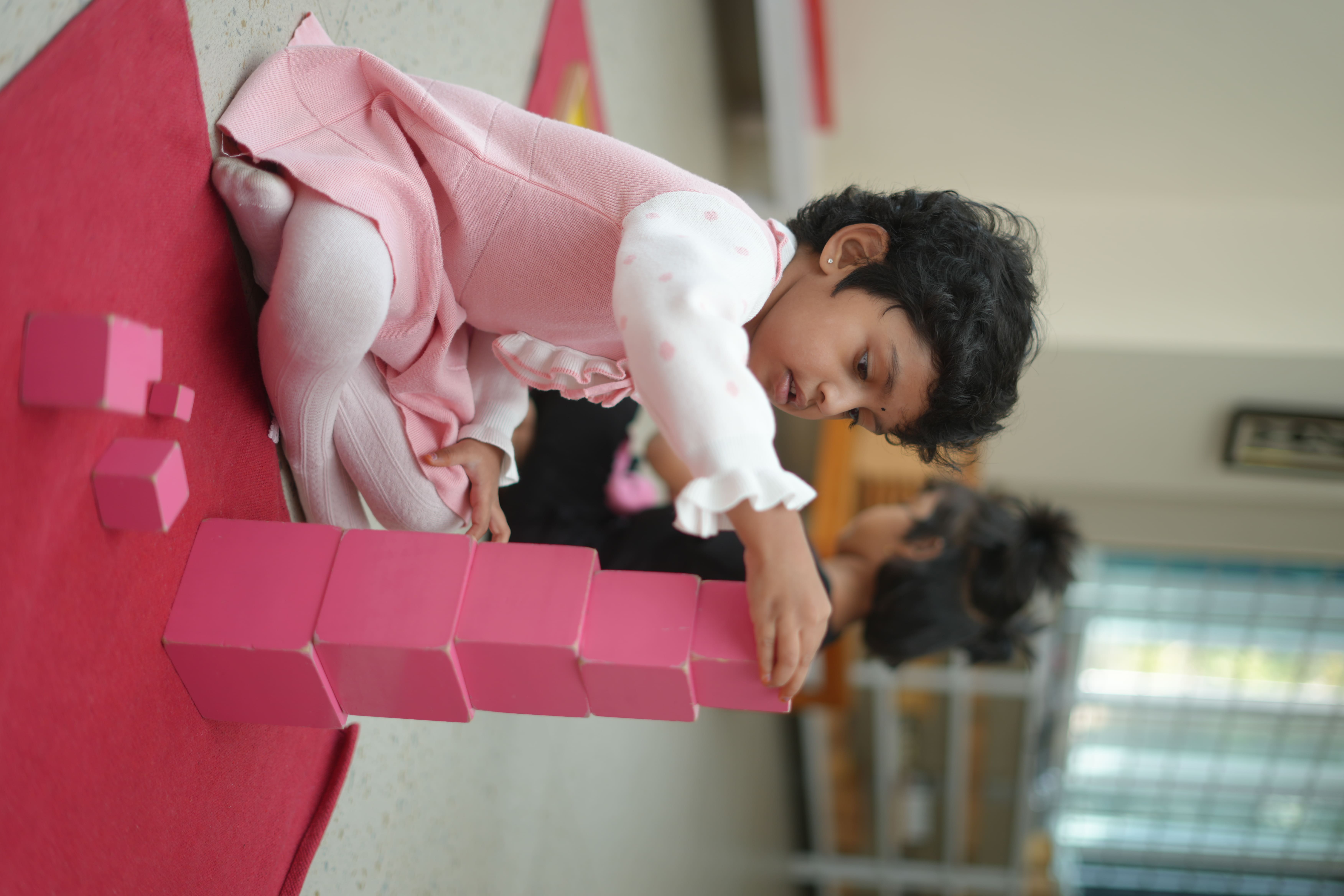
Montessori education suggests that nothing is registered in the mind except through the senses. During the early years, a child’s senses develop through interaction with the environment. Sensorial activities help children organise the many varied impressions received through the senses.

The Montessori materials are designed to discriminate, develop, order, and refine the senses, preparing the child to become logical, independent, and perceptive. Through repeated sensorial experiences, the child strengthens inner motivation and gradually gains a precise understanding of abstract concepts.

Sensorial
background pattern

LANGUAGE

A child’s brain is fresh and can take any information that you provide. We further enrich early learning, through songs and poems, reading classification, word study and enrichment of vocabulary.

Practical Life
background pattern

MATH CURRICULUM

In our classrooms are seldom boring for children, the Montessori concept begins concretely from simple to more abstract and complex tasks at a pace where the child learns first and the facts follow later, the math materials are introduced to the children at the right challenge levels capturing his development and feeding their curiosity at each level. our math apparatus is designed to provide necessary stimulation for a child to grasp math concepts such as addition and subtraction more readily.

Sensorial
background pattern

CULTURE

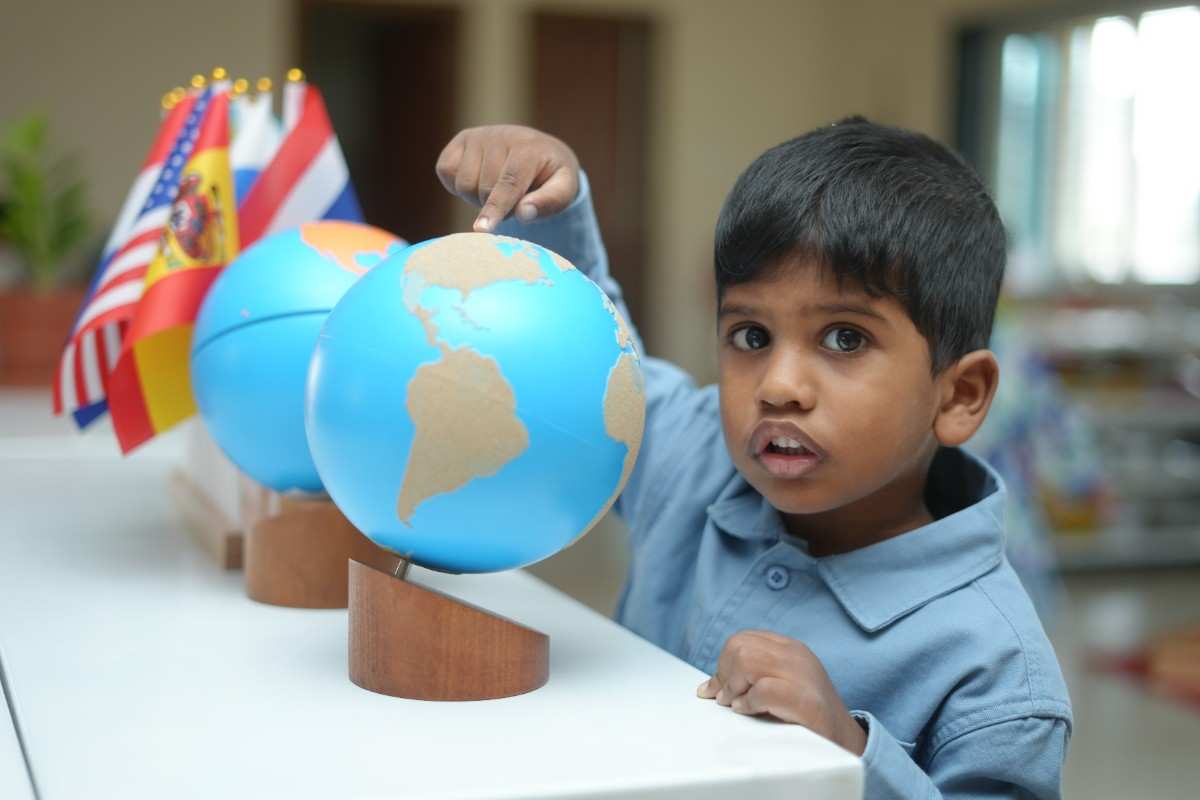
The Montessori classroom comprises a variety of Cultural subjects that include: Geography, Science, Botany, Zoology, and Art & Music. feeding their curiosity in exploring different worldly ideas.

understanding geography and ethnicity allows the children to understand the opportunity to understand the planet and culture of their own and that of others and ultimately come to appreciate differences between cultures and learn compassion for one another.

Practical Life
School Watermark

FREQUENTLY ASKED QUESTIONS

toggle WHAT AGE GROUP DOES YUG MONTESSORI CATER TO?

We welcome children between 2 to 6 years, a key developmental phase for building independence, concentration, and self-control.

toggle HOW DOES MONTESSORI SUPPORT A CHILD’S DEVELOPMENT?

Through self-directed activity and hands-on learning, children develop focus, decision-making skills, courtesy, and community responsibility.

toggle WHAT IS PRACTICAL LIFE IN MONTESSORI EDUCATION?

Practical Life includes everyday activities like pouring, cleaning, and food preparation that help children develop independence and coordination.

toggle WHAT MAKES MONTESSORI MATERIALS UNIQUE?

Montessori materials are self-correcting and isolate one skill at a time, allowing children to learn independently through repetition and mastery.

toggle WHY ARE SENSORIAL ACTIVITIES IMPORTANT?

Sensorial activities refine the senses and help children organize impressions from their environment, preparing them for abstract thinking.

toggle HOW ARE LANGUAGE AND MATH INTRODUCED IN MONTESSORI CLASSROOMS?

Language and math are introduced concretely using hands-on materials, allowing understanding to develop naturally before symbols.

toggle HOW DOES MONTESSORI PREPARE CHILDREN FOR FUTURE LEARNING?

By nurturing independence, confidence, and curiosity, Montessori lays a strong foundation for lifelong learning and growth.